


What Is Gaz Angabin? Benefits, Uses, History, and Why It Is the Most Valuable Persian Gaz
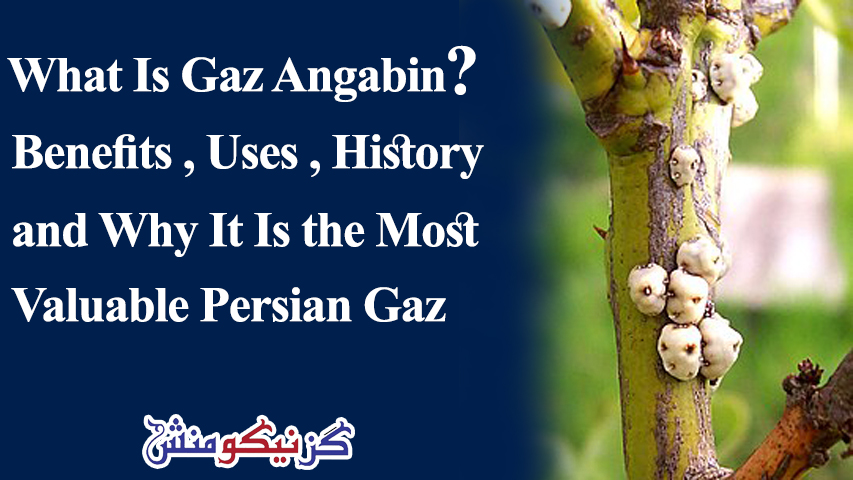
Gaz-Angabin: The Secret Behind Authentic Persian Gaz
When it comes to premium Persian confectionery, one name stands above the rest: Gaz-Angabin. But what exactly is Angabin, and why is it considered the “gold standard” in traditional .confectionery
Understanding Angabin
Angabin is a highly nutritious, natural sweetener prized in Persian heritage. It is broadly categorized into two distinct types
Insect-Derived Angabin: This rare variety is produced through a unique biological process where specific insects feed on the sap of particular desert plants, secreting this precious substance as a result.
Plant-Derived Angabin: Extracted directly from the sap of the Astragalus plant (known as Gavan), this type is renowned for its therapeutic properties and is widely sought after in both the pharmaceutical and culinary industries.
Why is Gaz-Angabin So Valuable?
The rarity of Angabin lies in its harvesting process, which requires precise environmental conditions and expertise. Because it cannot be mass-produced artificially, it remains an exclusive, high-value commodity.
The Role of Angabin in Persian Gaz
Angabin is more than just a sweetener; it is the soul of authentic Gaz. When incorporated into the recipe, it provides:
Natural Aroma & Flavor: A sophisticated, earthy sweetness that synthetic alternatives cannot replicate.
Nutritional Value: Unlike refined sugars, Angabin preserves the health benefits of the plants it is derived from.
Traditional Quality: It is the hallmark of a premium, artisan-crafted Gaz, ensuring that the final product maintains its legendary status.
Conclusion:The use of genuine Gaz-Angabin is what distinguishes a commercial product from an authentic, premium experience. For those who value tradition and quality, understanding the source of this ingredient is the first step in appreciating the true art of Persian confectionery.
Angabin is an umbrella term for a variety of natural sweet substances produced by plants or insects. Common examples include Taranjabin (SNAIL-THORN GALL) and Shirkhesht (MANNA SUGAR), which are relatively abundant in nature. These can be considered general natural sweeteners.
